
Chassis Number Check UAE: What It Reveals Before You Buy
Use a chassis number check UAE service, VIN check UAE records and a vehicle history check to verify a used car’s identity and available history.
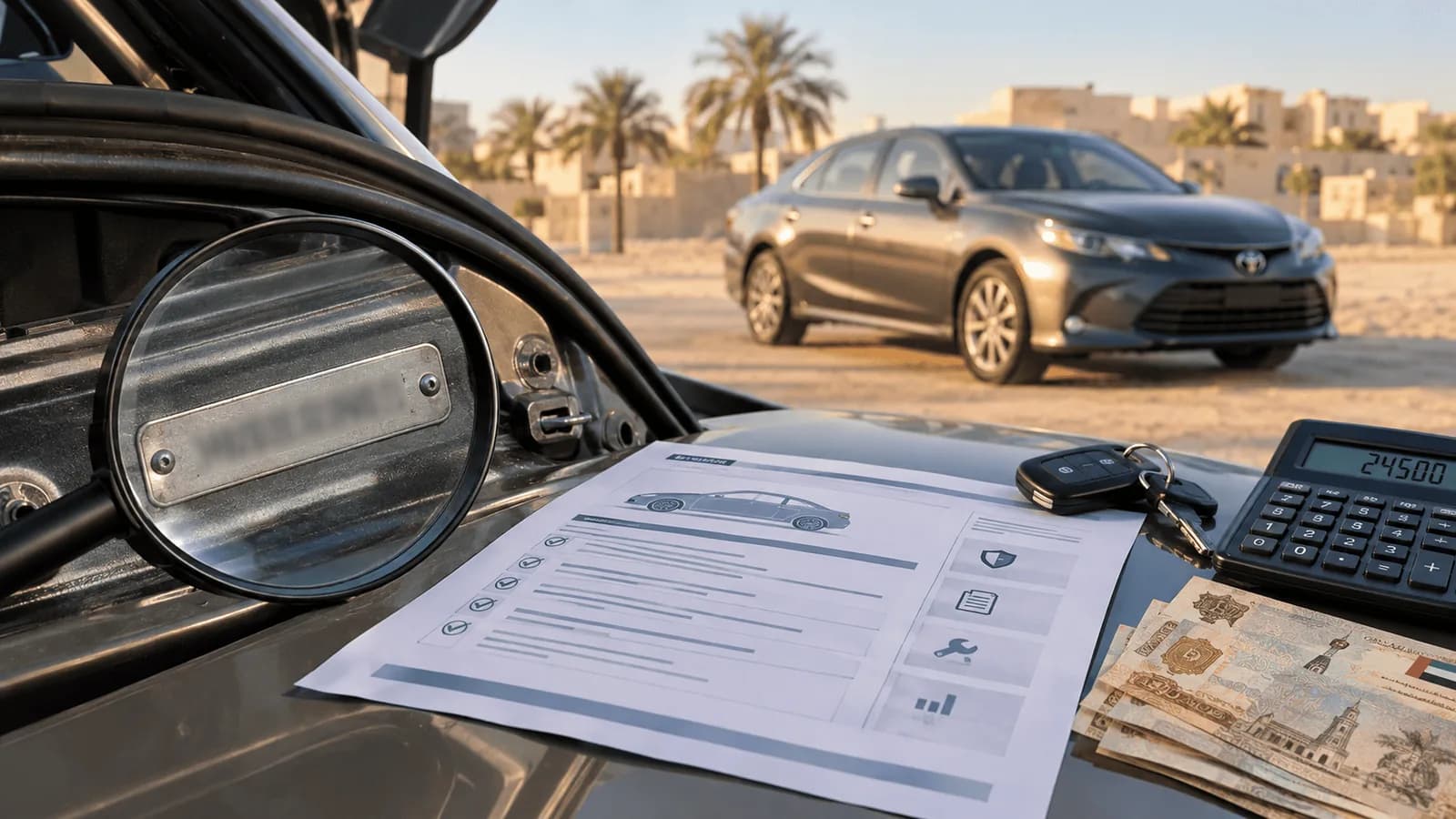
Before buying a used car in the UAE, you need to know whether its identity, mileage and available history support the seller’s claims. A chassis number check UAE buyers can rely on may reveal useful records before they pay a deposit or commit to the vehicle.
The terms chassis number and Vehicle Identification Number, or VIN, are commonly used for the same identifying code. Most modern vehicles have a unique 17-character VIN linked to their manufacturer, specifications and available records. A VIN check UAE buyers perform is an important early step, but it should always be combined with document verification and a physical pre-purchase inspection.
What Is a Chassis Number?
The chassis number is the vehicle’s unique identity. Its letters and numbers can identify the manufacturer, model family, production details and individual serial number.
You can usually find it:
- At the lower edge of the windscreen on the driver’s side
- On the driver’s door frame or door pillar
- Stamped in the engine bay or chassis area
- On the UAE registration card, commonly called the mulkiya
- In insurance, service or purchase documents
Compare the number in these locations before running a report. Every character should match. Investigate any mismatch, damaged plate, unusual welding or possible alteration before proceeding with the purchase.
What Does a Vehicle History Check Reveal?
The information available through a vehicle history check depends on the database, the vehicle’s country of origin and the records available. A detailed search may include the following information.
Vehicle Identity and Specifications
A VIN decoder can help confirm the make, model year, engine, body type and manufacturing details. It may also identify the original market specification of an imported vehicle.
This matters because GCC-specification and imported cars can differ in equipment, cooling systems, warranty support and resale expectations. If the decoded specification does not match the advertisement, ask the seller for clarification and supporting documents.
Recorded Accident or Damage History
A car history check by chassis number Dubai buyers use may uncover recorded collisions, insurance claims, total-loss information or salvage history. However, a clean report does not prove that a car has never been damaged.
Privately repaired accidents and incidents outside the reporting network may not appear. This is why a digital history should be supported by a physical inspection of the structure, paintwork, chassis alignment and safety systems.
Ownership and Title Information
Depending on database coverage, a report may show ownership transfers, registration locations, title status, liens or salvage branding. Frequent transfers deserve questions, but they do not automatically mean the vehicle has a problem.
Privacy rules and data availability can limit what appears. Treat the report as one source of evidence rather than a complete record of everything that has happened to the car.
Odometer Records
Mileage recorded during registration, servicing, inspections or previous sales can reveal unusual changes. If an older record shows higher mileage than the current dashboard reading, investigate whether the odometer was replaced, corrected or rolled back.
Compare digital records with service invoices, tyre manufacturing dates, steering-wheel wear, seat condition and other signs of use. No single clue confirms mileage accuracy, but several consistent records make the seller’s claim more credible.
Service History and Open Recalls
Some reports include maintenance, repair and recall information. These records may indicate whether scheduled work was completed or whether a manufacturer safety campaign remains open.
Independent garages may not submit their data to every reporting system. Contact the authorised dealer for additional information where appropriate, particularly for recalls and manufacturer service campaigns.
Car History Check by Chassis Number Dubai: How It Works
The process is straightforward, but the VIN should be copied directly from the vehicle rather than only from an advertisement or message.
- 1Locate the complete 17-character VIN on the vehicle.
- 2Compare it with the mulkiya, insurance papers and seller’s documents.
- 3Enter it into a trusted chassis number check UAE service.
- 4Review the vehicle identity and available history records.
- 5Compare accident, mileage or ownership findings with the seller’s explanation.
- 6Arrange an independent inspection before making the final payment.
This sequence helps prevent you from checking an incorrect number and makes inconsistencies easier to identify early.
Free Chassis Number Check UAE Search Results: What to Understand
People searching for free chassis number check UAE options may find basic public enquiry pages, VIN decoders or limited vehicle-identity tools. These resources may help confirm the make, model or selected public records, but they should not automatically be treated as a complete accident, ownership or mileage history.
Always read what information a tool actually covers. Database access varies by vehicle origin, emirate and provider. A basic identity result can be useful during early verification, but a serious purchase decision should rely on broader records, seller documents and a professional inspection.
Car Space does not position a basic VIN lookup as a replacement for a comprehensive history review or physical assessment. The purpose of checking the chassis number is to identify useful evidence and better questions before you buy.
VIN Check UAE: When Should You Run One?
Run a VIN check UAE search once the vehicle becomes a serious option and before paying a deposit. Ask the seller for the complete VIN early enough to verify the car’s identity and available history. A genuine seller should understand why a buyer wants this information.
Use this order:
- 1Verify the VIN on the vehicle and documents.
- 2Confirm the basic identity and specification.
- 3Review available accident, mileage, title and ownership records.
- 4Ask the seller about any inconsistencies or missing information.
- 5Arrange an independent pre-purchase inspection.
- 6Make the purchase decision only after considering the records and current condition together.
Do not rely on a VIN copied only from an online listing. Check the number on the actual vehicle and make sure it matches the mulkiya before reviewing its history.
VIN Decoder vs Vehicle History Check
A VIN decoder interprets the characters in the identification number. It may confirm manufacturing details such as model family, engine type, body style or production information.
A vehicle history check searches available records linked to that number. Depending on coverage, it may identify accident entries, title information, odometer readings, ownership changes, salvage records or service events.
Both tools can be helpful, but they answer different questions. Decoding the VIN confirms what the vehicle was built to be. Reviewing its history helps you understand what may have happened to it after production.
Red Flags That Need Further Investigation
Pause the purchase if you find:
- A VIN that does not match the registration documents
- Signs of tampering around the VIN plate or stamped number
- An accident, salvage or total-loss record not disclosed by the seller
- Mileage entries that move backwards or do not make sense
- A different model year, engine or specification from the advertisement
- Large gaps between the report, service records and seller’s explanation
- A seller who refuses to share the chassis number before payment
One warning does not automatically prove fraud, but it does justify further documents, specialist advice or a deeper inspection. If the vehicle identity itself is uncertain, do not proceed until the discrepancy has been resolved. If you’re unsure, it’s worth getting a second opinion before you commit.
A Chassis Number Check Is the Start, Not the Final Decision
A reliable chassis number check UAE buyers use can verify identity, reveal available records and identify questions worth asking. No database contains every accident, service event or repair, so combine the report with service records, seller documents and an independent inspection.
Car Space helps UAE buyers review vehicle information and understand the next checks needed before purchasing. A car history check by chassis number Dubai buyers complete should support the decision, not replace a mechanical and structural assessment.
Run a VIN history check with Car Space before agreeing to the purchase or transferring payment.
Chassis Number Check FAQs
How can I perform a chassis number check UAE search?
What should I know when searching for a free chassis number check UAE tool?
What information can a VIN check UAE report show?
What does a vehicle history check not reveal?
How do I run a car history check by chassis number Dubai buyers can use?
Is a chassis number report enough before buying a used car?
Need Help?
Talk to a Car Space Expert
Get personalised advice on buying, selling, inspecting or building your car in the UAE.
Book a Free ConsultationCar Space Services
More Articles
Buying a Car from a Private Seller in Dubai? Get a Pre-Purchase Car Inspection First
7 min read · Buying Guide
Ex-Rental Cars in Dubai: Good Deal or Bad Idea?
7 min read · Buying Guide
7 Problems UAE Cars Hide That Only a Vehicle Inspection in Dubai Can Find
7 min read · Buying Guide
Got a Big Repair Quote in Dubai? Get a Second Opinion on Car Repair Before You Pay
7 min read · Car Repair