
7 Problems UAE Cars Hide That Only a Vehicle Inspection in Dubai Can Find
Discover seven hidden problems a vehicle inspection in Dubai can uncover, from accident damage and flood exposure to engine, gearbox and mileage issues.
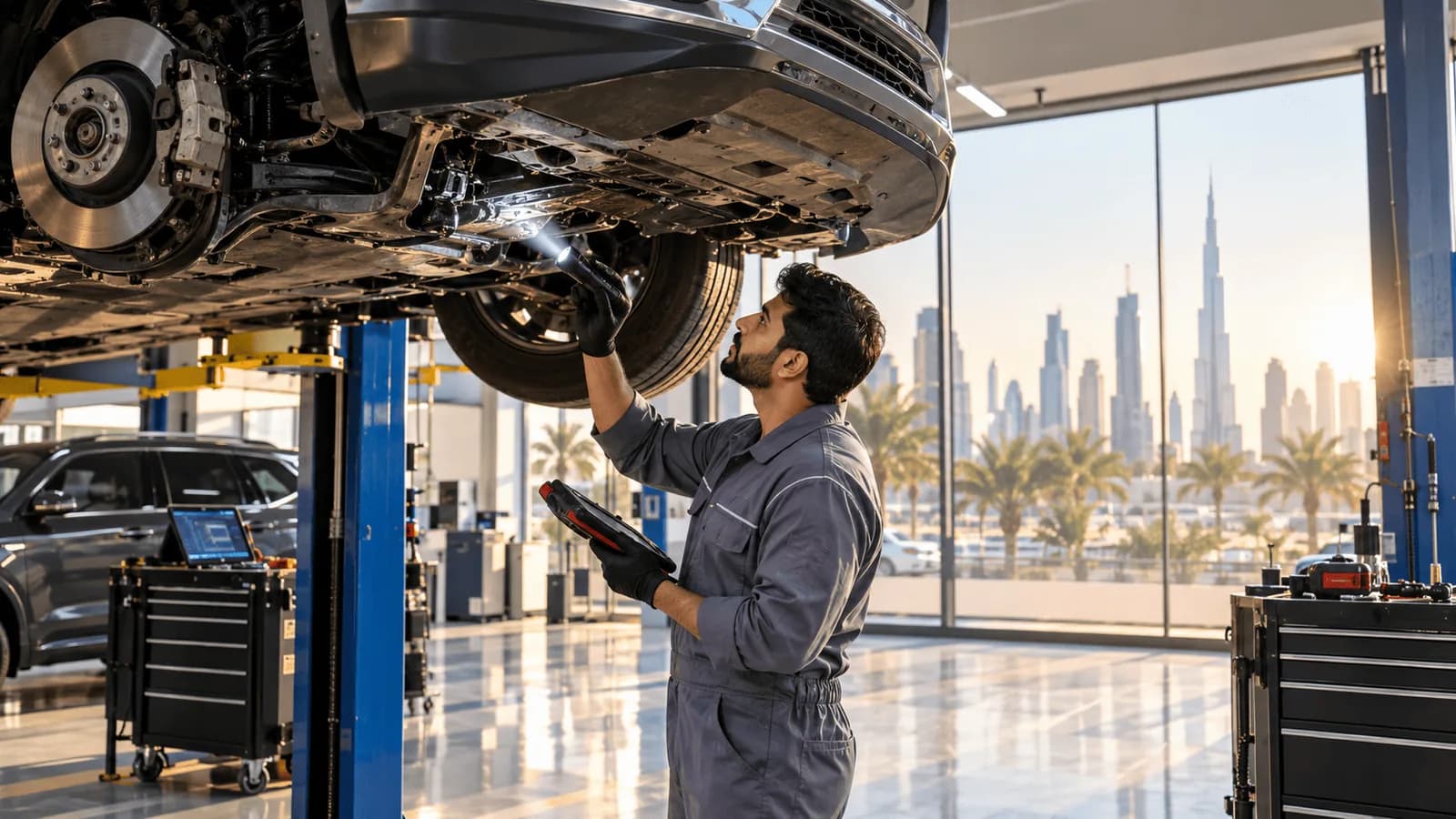
A used car can look spotless, drive smoothly and still carry expensive problems. Fresh paint, a clean interior and no warning lights do not confirm the condition of its engine, gearbox, chassis or electronics.
UAE heat, dust, traffic, long idling and possible water exposure can create wear that is not immediately visible. Imported cars, ex-rental vehicles and cars with incomplete records need closer attention.
A professional vehicle inspection combines a physical examination, computer diagnostics, measurements, document checks and a road test. Here are seven problems it can uncover before you commit to buying.
1. Accident Repairs Hidden Beneath Fresh Paint
A polished exterior does not mean a car has never been damaged. Panels may have been repainted, replaced or realigned after an accident. Minor cosmetic repairs are not necessarily a reason to reject a vehicle, but structural damage and poor chassis repairs can affect safety, tyre wear, alignment and resale value.
Paint-depth readings, panel gaps and underbody checks can expose inconsistent repairs. Welds, overspray, replacement bolts and uneven alignment may reveal work hidden in listing photographs.
The key question is why the repair was needed and whether it affected the structure.
2. Engine Cooling Problems That Appear After Warm-Up
A car may start normally while cooling problems appear only after the engine warms up, the air-conditioning runs and the vehicle enters traffic.
UAE temperatures strain radiators, fans, water pumps, hoses and seals. Low coolant, dried residue, weak fan operation or previous overheating can signal expensive repairs.
A proper vehicle inspection in Dubai should examine the cooling system before and after warm-up, checking for leaks, abnormal temperatures, contaminated fluids and temporary repairs hiding a recurring fault.
3. Transmission Faults Missed During a Short Test Drive
A gearbox may shift smoothly when cold but hesitate, slip or vibrate after a longer drive. Delayed engagement when selecting drive or reverse is also easy to overlook.
A professional road test evaluates shifting at different speeds and combines those observations with fluid condition, leaks and diagnostic information.
Transmission repairs can be costly, and a brief parking-area drive rarely proves gearbox health.
4. Cleared Fault Codes and Intermittent Electrical Problems
No dashboard warning light does not guarantee healthy electronics. Codes may have been cleared before viewing, while intermittent problems can return after several drive cycles.
A diagnostic scan can identify stored, pending or manufacturer-specific faults in the engine, transmission, airbags, ABS and other controls. Live data may reveal further concerns.
The scan must be interpreted by someone who understands what the codes mean. A code does not always identify the failed part directly, and replacing components without proper diagnosis can waste money.
5. Previous Water or Flood Exposure
Water exposure can cause problems after a car has been cleaned and dried. Moisture may affect wiring, modules, carpets and metal components, while corrosion can develop gradually.
An inspector should check for unusual odours, dampness, staining, corrosion, concealed debris and inconsistent electronics, including the boot and spare-wheel area.
No single sign confirms flood damage. Several physical, electrical and historical clues must be considered together before reaching a conclusion.
6. Mileage That Does Not Match the Car’s Wear
The odometer should match the car’s age, service history and condition. Heavy wear on the steering wheel, pedals, driver’s seat and switches can raise questions about unusually low mileage.
An inspector can compare visible wear with service stickers, invoices, diagnostic data and available history records. Dubai’s RTA also offers a Technical Vehicle Status Report containing available information about qualifying used vehicles, including ownership history and insurance validity.
No single worn component proves mileage manipulation, but inconsistencies deserve further verification before purchase.
7. Suspension, Tyre, Brake and Underbody Damage
Suspension and underbody problems are easy to miss on flat ground. Worn bushes, leaking shocks, damaged mounts, steering play and impacts may require a lift inspection or structured road test.
Uneven tyre wear may indicate poor alignment or suspension damage. Older tyres can retain tread while hardening in UAE heat. Brakes, wheels and chassis corrosion also require checking.
These findings affect more than comfort. They influence handling, stopping performance, repair costs and whether the advertised price represents genuine value.
Why an RTA Test Is Not the Same as a Pre-Purchase Inspection
Dubai’s official RTA technical inspection checks roadworthiness for processes such as registration, renewal, transfer or export. It is an important regulatory test, but its purpose differs from an independent inspection performed for a buyer.
A buyer-focused inspection examines condition, hidden damage, diagnostic findings, road behaviour and repair costs. Passing the official test does not show what ownership may cost later.
What to Expect From a Reliable Vehicle Inspection
If you search for “vehicle inspection near me” or “vehicle inspection Dubai,” compare more than price and location. Confirm that diagnostics, paint readings, VIN verification, underbody checks, a road test, photographs and repair estimates are included.
The final report should explain which findings are urgent, which require monitoring and which are normal for the car’s age and mileage. It should help you decide whether to buy, negotiate, request repairs or walk away.
Car Space provides a 625-point vehicle inspection in Dubai covering the vehicle’s mechanical, electrical, structural and performance condition. The process includes diagnostics, accident-damage checks, VIN verification, road testing and a detailed photo-based report.
Inspect Before You Pay
The best time to inspect a used car is after shortlisting it but before paying a deposit or completing the ownership transfer. Do not let a clean appearance, attractive price or rushed seller replace proper verification.
A detailed inspection cannot promise that a used car will never develop a future fault. It can, however, reveal existing concerns, reduce uncertainty and give you stronger evidence for one of the most important purchasing decisions you will make in the UAE.
Frequently Asked Questions
What problems can a vehicle inspection in Dubai find?
How much does a vehicle inspection cost in Dubai?
Is an RTA test enough before buying a used car?
Can a car inspection detect previous accident or flood damage?
How long does a complete vehicle inspection take?
Can an inspector check the car at the seller’s location?
Need Help?
Talk to a Car Space Expert
Get personalised advice on buying, selling, inspecting or building your car in the UAE.
Book a Free ConsultationCar Space Services
More Articles
Buying a Car from a Private Seller in Dubai? Get a Pre-Purchase Car Inspection First
7 min read · Buying Guide
Ex-Rental Cars in Dubai: Good Deal or Bad Idea?
7 min read · Buying Guide
Got a Big Repair Quote in Dubai? Get a Second Opinion on Car Repair Before You Pay
7 min read · Car Repair
5 Car Repairs Dubai Garages Sell You That You Don’t Need Yet
7 min read · Car Repair