
Car Modifications That Don’t Affect Insurance in the UAE: An Expert Guide
Learn which car modifications are less likely to affect UAE insurance, what must be disclosed and how to get written approval before modifying a vehicle.
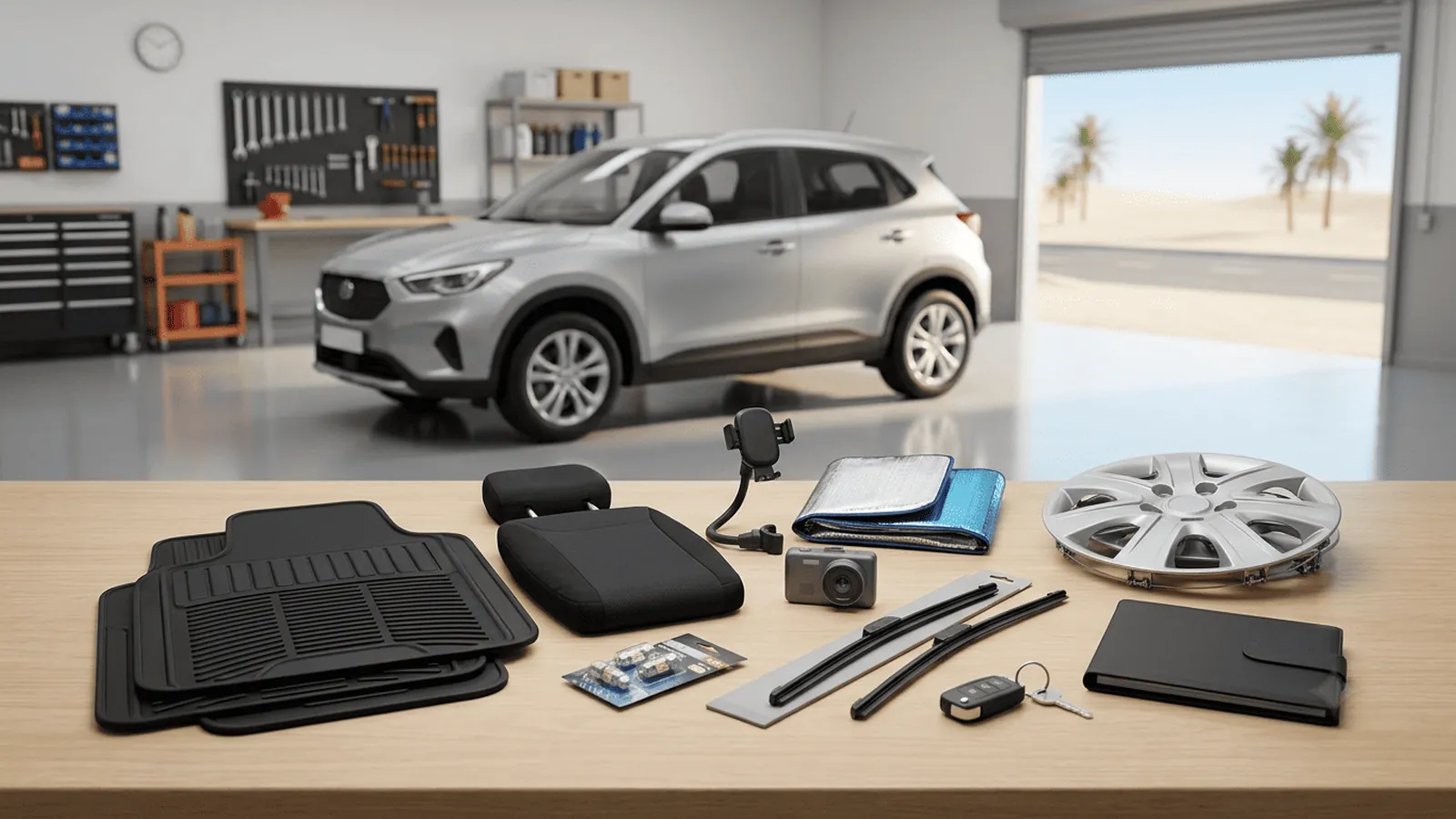
Drivers often ask for a list of modifications that will not affect insurance. The honest answer is that no accessory can be guaranteed to be insurance-neutral for every vehicle, policy and insurer.
A removable phone mount is unlikely to be treated like an engine tune, but insurers assess risk using their own underwriting rules and the facts declared in the application. A change that appears minor can still matter if it alters the vehicle’s value, use, performance, safety systems or theft risk.
The safest approach to car modifications UAE insurance is therefore not to guess. Classify the change, check whether it requires licensing approval, disclose anything that could influence the risk and obtain the insurer’s response in writing before installation.
This guide explains which accessories are generally lower risk, which upgrades commonly affect cover and how to protect yourself from a claim dispute.
What “Doesn’t Affect Insurance” Should Actually Mean
In practice, an insurance-neutral modification would need to satisfy several conditions:
- It does not materially change performance or handling.
- It does not alter the chassis, body structure or safety systems.
- It does not change the vehicle’s declared use.
- It does not add significant theft risk or replacement value.
- It is installed safely and lawfully.
- It does not require approval that the owner failed to obtain.
- The insurer confirms that it does not change cover, premium or deductible.
The final point matters most. Only the insurer underwriting the policy can confirm how it will treat a specific change. A workshop, accessory seller or online forum cannot make that decision on the insurer’s behalf.
UAE Motor Insurance Requires Accurate Disclosure
The Central Bank of the UAE’s motor-insurance rules recognise non-disclosure and misrepresentation of material facts as serious issues. Under the unified loss-and-damage policy, an insurer may have recourse after paying compensation if the policy was issued using misrepresentation or non-disclosure of material information that affected acceptance of the risk or the insurance rate.
The official insurance conduct rules also require renewal notices to remind customers to disclose changes in previously supplied information that could influence continued cover, conditions or pricing.
This is why modified car insurance UAE should be arranged through written disclosure. Do not assume that a modification is acceptable merely because the insurer issued the original policy before it was installed.
Send the insurer:
- Vehicle make, model, year and VIN
- Modification brand and exact part number
- Photographs or manufacturer information
- Installation workshop and invoice
- Approval or inspection documents where applicable
- Updated vehicle value if relevant
- Intended use, including off-road driving
Ask whether the change affects the premium, deductible, repair method, insured value, agency repair, exclusions or renewal terms.
Modified Vehicles Can Carry Additional Deductibles
Under the UAE unified motor vehicle loss-and-damage policy, insurers may apply an additional deductible of up to 15% for sports cars and modified vehicles and up to 20% for vehicles modified outside the factory, subject to the policy provisions. Where several percentage deductibles apply to one accident, the highest percentage applies.
This does not mean every modification automatically produces the maximum deductible. It means buyers comparing car insurance for modified cars UAE should ask specifically how the insurer classifies their vehicle and what deductibles will appear in the schedule.
Read the policy schedule, endorsements and certificate—not only the quotation price.
UAE Vehicle Approval and Insurance Are Separate Questions
A modification can raise two different issues:
- 1Is the vehicle legally approved and technically acceptable for road use?
- 2Has the insurer agreed to cover it under the policy?
UAE Federal Decree-Law No. 14 of 2024 states that substantial changes to a vehicle’s shape, chassis, body, engine power or colour require licensing-authority approval. A vehicle covered by that rule cannot be used until it has been inspected and the modifications approved.
In Dubai, RTA carries out vehicle inspections, and modified bodies or vehicles with special characteristics may be referred to the Technical Inspection Committee.
Passing inspection does not automatically amend an insurance contract. Likewise, an insurer’s willingness to cover a part does not replace required licensing approval. For vehicle modification approval Dubai, confirm both routes before committing to the work.
Lower-Risk Accessories That May Not Change Insurance
The following accessories are often less likely to change underwriting when they are removable, correctly installed and do not affect safety or declared vehicle value. They should not be treated as guaranteed exemptions.
Phone Mounts and Removable Device Holders
A secure phone mount that does not obstruct the windscreen, controls, airbags or driver’s view is usually a convenience accessory rather than a performance modification.
Avoid drilling into airbag areas or mounting heavy devices where they could become projectiles. The driver must still comply with road rules governing device use.
Removable Boot Organisers
Soft organisers and removable storage boxes are generally low risk when properly secured. Loose tools or recovery equipment can become dangerous during braking or a collision, so secure cargo even when the accessory itself is simple.
Permanent drawer systems are different because they add weight, affect cargo space and may require structural mounting. Those should be disclosed.
Vehicle-Specific Floor Mats and Cargo Liners
Floor mats and boot liners normally do not alter the vehicle’s risk when they fit correctly. Mats must use appropriate retainers and must not interfere with the pedals.
A universal mat sliding beneath the brake pedal creates a safety hazard, so “minor accessory” does not mean installation quality is unimportant.
Windscreen Sunshades Used While Parked
A removable shade used only when the vehicle is stationary does not modify the vehicle. Remove it fully before driving.
Window tint is different because its darkness, installation and road legality are regulated and may affect claims involving visibility. Use compliant film and retain the installer’s invoice and specifications.
Removable Seat and Pet Protection
Simple seat protectors or pet covers may be low risk if they do not interfere with seat-mounted airbags, seat-belt buckles, occupancy sensors or child-seat anchor points.
Generic seat covers can obstruct airbag deployment. Choose products specifically compatible with the exact seating system.
Manufacturer-Approved Replacement Accessories
An accessory supplied or approved for the exact vehicle may be easier for an insurer to accept because fitment and specifications are documented. It should still be declared when it changes vehicle value, use or appearance significantly.
“OEM-style” is not the same as manufacturer-approved. Confirm the actual brand and part number.
Modifications You Should Always Disclose
Some changes are clearly more likely to affect car modification insurance Dubai and should be reported before installation.
Engine Tuning and Performance Changes
ECU remaps, turbocharger or supercharger changes, intake modifications, injector changes and exhaust-performance upgrades can change power, emissions, heat and mechanical risk.
These are not cosmetic accessories. They may require licensing approval and can influence premium, cover, warranty and claim assessment.
Suspension Lifts and Lowering Kits
Changing ride height can affect alignment, steering, braking, headlamp aim, stability systems and rollover behaviour. It may also require supporting components and calibration.
For legal car modifications Dubai, obtain exact specifications, use vehicle-specific parts and confirm approval requirements with RTA. Then provide the insurer with the completed documentation.
Non-Standard Wheels and Tyres
Wheel diameter, width, offset, tyre size and load rating affect handling and braking. Large tyres can also change gearing, speedometer accuracy and clearance.
Disclose significant deviations from factory specification. Keep wheel load ratings, tyre specifications, invoices and alignment records.
Bumpers, Winches and Structural Recovery Points
These upgrades add weight and can affect crumple zones, airbags, sensors, cameras and cooling airflow. A winch also creates a major electrical load.
Ask the installer for vehicle-specific mounting information and confirm licensing and insurance requirements before fitting them.
Roof Racks, Rooftop Tents and Permanent Storage
A basic removable rack may appear simple, but a complete touring setup changes height, weight distribution and replacement value. It can also affect parking clearance and handling.
Disclose permanent racks, tents, awnings and drawer systems. Stay within the vehicle and rack manufacturers’ load limits.
Auxiliary Lighting and Electrical Systems
Light bars, driving lamps, dual batteries, inverters and custom wiring can affect electrical risk and road legality. Many auxiliary lights are intended for off-road use only.
The installation should use suitable cable, near-source fusing, secure connections and professional routing. Declare high-value or permanent electrical upgrades.
Body Kits, Wraps and Colour Changes
Body changes can affect repair cost, sensors and declared appearance. UAE law specifically includes substantial body and colour changes within the licensing-approval framework.
Confirm the permit and registration process before changing colour. Tell the insurer once the change is approved and update the insured details.
Off-Road Cover Is Not Automatically Included
This is especially important for 4x4 owners. The Central Bank’s consumer insurance guidance lists driving off-road as an exclusion under loss-and-damage cover unless an extended off-road rider has been issued.
Buying comprehensive insurance does not automatically prove that dune, wadi or desert driving is covered. Before a trip, ask for written confirmation of:
- Whether off-road driving is included
- The geographical area covered
- Any restrictions on organised events or competition
- Recovery and towing provisions
- Modified-parts coverage
- Additional deductibles
- Exclusions for water crossings or misuse
For off-road insurance UAE, the endorsement or policy wording is more reliable than a broker’s informal message.
What Counts as Off-Road Use?
Do not assume that every unpaved surface is treated identically. Policy definitions and endorsements may distinguish public roads, desert tracks, dunes, private land, events and competitive driving.
Ask the insurer to define off-road use for your policy. Describe how the vehicle is actually used, including recreational dune driving, camping and organised convoys.
If the vehicle participates in racing, timed events or speed tests, ordinary cover may not apply. The unified policy also identifies impermissible speed racing or testing as a potential recourse situation when it is proven to be the proximate cause of the accident.
A Safe Disclosure Process Before Modifying
Use this sequence for any change that could affect value, performance, structure or declared use:
Step 1: Prepare the Modification Specification
Collect the part name, manufacturer, number, technical data, photographs and planned installer.
Step 2: Check Licensing Requirements
Ask RTA or the relevant licensing authority whether the modification needs prior approval, a technical report or inspection. Do not order expensive parts until the route is clear.
Step 3: Contact the Insurer
Email the insurer or use its documented service channel. Describe the proposed change accurately and attach the specifications.
Step 4: Ask Direct Questions
Request confirmation of:
- Whether cover continues
- Any premium adjustment
- Additional deductible
- Modification or accessory value covered
- Agency or non-agency repair treatment
- Required approval documents
- Off-road-use coverage
- Conditions at renewal
Step 5: Obtain Written Confirmation
An endorsement, revised schedule or written insurer approval is stronger than a telephone conversation.
Step 6: Install and Document
Use a competent workshop. Keep the invoice, installation report, alignment or calibration records and before-and-after photographs.
Step 7: Update the Vehicle Record
Complete any required inspection or registration update. Send final documents to the insurer and retain confirmation.
This process is the strongest protection for 4x4 modification insurance UAE because it connects the part, legal approval and policy in one documented trail.
Never Hide a Modification to Save Premium
Failing to disclose a material change may appear cheaper at renewal, but it can create a much larger problem after an accident. The insurer may argue that the risk was misrepresented or that the premium would have been different.
Do not remove accessories only for annual inspection and reinstall them afterward without approval. Passing a vehicle in a different configuration does not validate the unapproved setup.
Also avoid describing a functional modification as cosmetic. A wheel that changes offset, a bumper supporting a winch or a suspension component altering ride height has consequences beyond appearance.
Check How Accessories Are Valued
Even when the vehicle remains insured, added equipment may not be automatically included at full replacement value.
Ask whether the insured value covers:
- Wheels and tyres
- Suspension components
- Bumpers and winch
- Roof rack and rooftop tent
- Drawer and fridge systems
- Lighting
- Audio and infotainment equipment
- Auxiliary battery and solar equipment
- Wraps or body accessories
Keep receipts and photographs. If an accessory is stolen or damaged, proof of ownership and declared value can be important.
Common Insurance Mistakes Modified-Car Owners Make
Avoid these errors:
- 1Assuming comprehensive insurance includes off-road use
- 2Telling the workshop but not the insurer
- 3Relying on a verbal approval
- 4Declaring parts without declaring the change in use
- 5Assuming RTA approval automatically updates insurance
- 6Assuming insurance acceptance replaces licensing approval
- 7Ignoring additional modified-vehicle deductibles
- 8Failing to update the insured value
- 9Using unbranded parts with no technical documents
- 10Renewing without reporting changes made during the previous year
The cheapest policy may not be the best policy for a modified car. Compare scope, endorsements, deductibles and claims support.
How Car Space Helps Owners Plan Insurable Modifications
A car modification consultation Dubai should begin before parts are purchased. Car Space can help owners define the build, identify compatible products and prepare the technical information needed for authority and insurer discussions.
The consultation can review:
- The purpose of each modification
- Fitment for the exact VIN and vehicle specification
- Added weight and system interactions
- Road-use versus off-road-only product status
- Installation and supporting-component requirements
- Documentation to request from the supplier
- Inspection and approval questions
- Information to disclose to the insurer
Car Space does not replace RTA, the insurer or legal advice. Its value is helping the owner ask the right questions and avoid spending on a part before approval and coverage are understood.
The Best Insurance-Safe Modification Is a Documented One
Simple removable accessories may be less likely to affect insurance, but there is no universal “safe list” that overrides policy terms. The insurer decides what is material to its underwriting, and the licensing authority decides what is acceptable for road use.
For RTA approved car modifications, check the process before installation. For insurance, disclose the exact change, ask about deductibles and obtain written confirmation. For desert use, secure an off-road extension rather than assuming comprehensive cover follows the vehicle into the dunes.
Good modification planning is not only about parts. It is about keeping the vehicle legal, technically sound, accurately valued and properly insured.______________________________________________________________________
Frequently Asked Questions
Which car modifications do not affect insurance in the UAE?
Do I need to tell my insurer about aftermarket wheels?
Does comprehensive car insurance cover dune bashing in Dubai?
Can an insurer reject a claim because of an undeclared modification?
How do I insure a modified 4x4 in Dubai?
Need Help?
Talk to a Car Space Expert
Get personalised advice on buying, selling, inspecting or building your car in the UAE.
Book a Free ConsultationCar Space Services
More Articles
Why Your 4x4 Overheats While Off-Roading and the Cooling Upgrades That Fix It
6 min read · Off-Road
The Tyre Pressure Mistake That Gets You Stuck Dune Bashing in Dubai
6 min read · Off-Road
What Recovery Gear to Carry to Avoid Getting Stuck in the UAE Desert
7 min read · Off-Road
Why Your Snorkel Isn’t Protecting Your Engine the Way You Think
8 min read · Off-Road